
Sapa in a nutshell
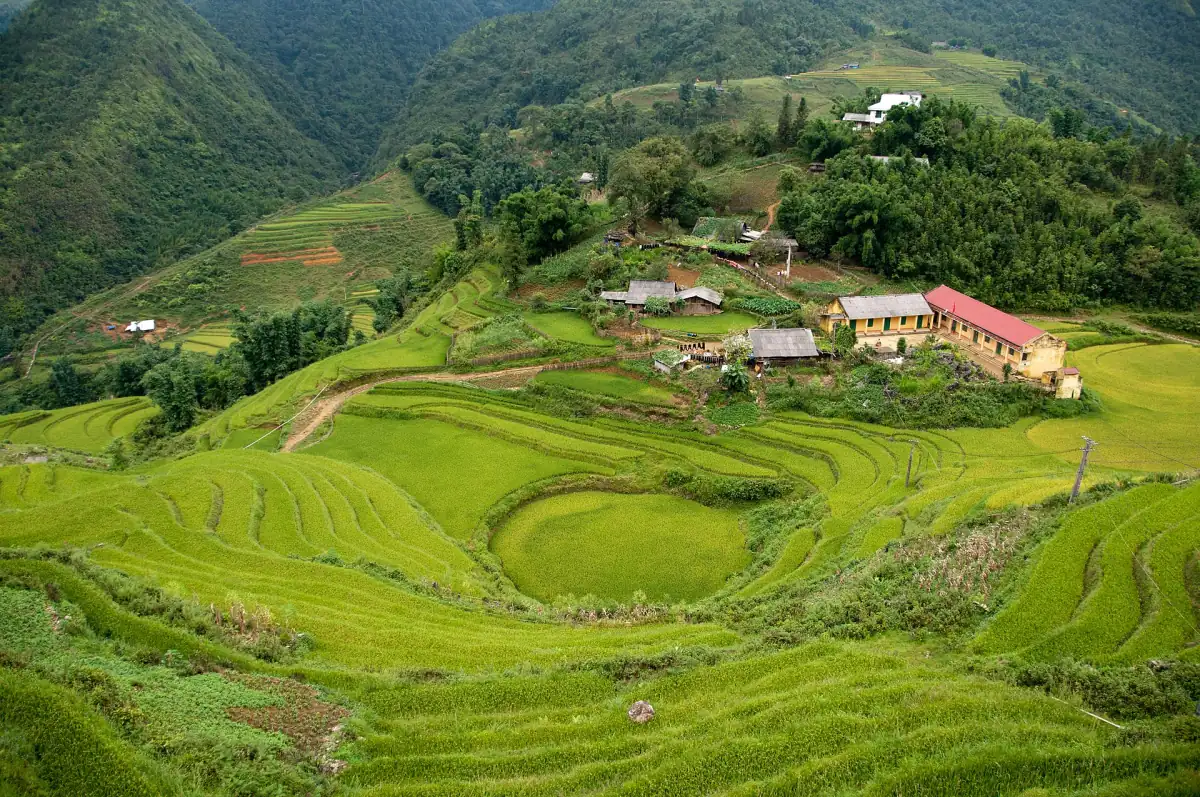
Sapa is a hill town in Lao Cai Province in northern Vietnam. It sits at the head of a deep valley of cultivated rice terraces, and Fansipan, the highest mountain of the region, belongs to the landscape around it. Most visitors come for three things: walks between villages, a cable car ride up Fansipan and, on Sundays, the market at Bac Ha.
This guide covers the town, the trails, the mountain, the journey from Hanoi and the weather. The Ha Giang Loop is a separate region further east and has its own page. VisitSapa.org is an independent travel guide. It is not an official website of Sapa and has no link to the authorities, Sun World or any tour operator.
Before you go
The four things that most often decide how a Sapa trip goes. Status as of October 2026.
Getting there
There is no train to Sapa itself. The night train from Hanoi stops at Lao Cai, and you continue by road. Buses and vans run all the way to Sapa. See Hanoi to Sapa for times and prices.
Entry rules
German passport holders can stay up to 45 days without a visa under a rule that runs from 15 March 2025 to 14 March 2028. Swiss passport holders get 45 days for tourism until 14 August 2028. Austrian and US passport holders generally need a visa, usually an e-visa for up to 90 days (USD 25 single entry, USD 50 multiple entry). Rules change, so check your government's travel advice and Vietnam's e-visa portal before you book.
When to go
Vietnam's national tourism site names September to November and March to May as the milder periods. Rain peaks from May to August; the July average at the Sa Pa weather station is about 460 mm. Terraces can already look golden at the end of August, so the harvest look is not tied to one month. More in Sapa weather.
Money and local rides
The currency is the dong (VND). Cash is the norm for small purchases and street stalls; cards are common at hotels and tour operators. Withdraw cash before you head to remote villages. Grab announced 7-seat GrabCar service in Sapa from 28 July 2025, but a ride back from the valley is never guaranteed.
Our picks: Sapa tours
A village trek, the Fansipan cable car and the Bac Ha Sunday market.
Hand-picked tours, booked through GetYourGuide. Prices are indicative starting prices in US dollars (as of October 2026). Tap a tour for live availability and the current price in your currency.

Fansipan by cable car with a guide
Hotel transfer, a return cable car ticket, an English-speaking guide and water are included. The extra mountain train ride to the summit is not.
Check availability →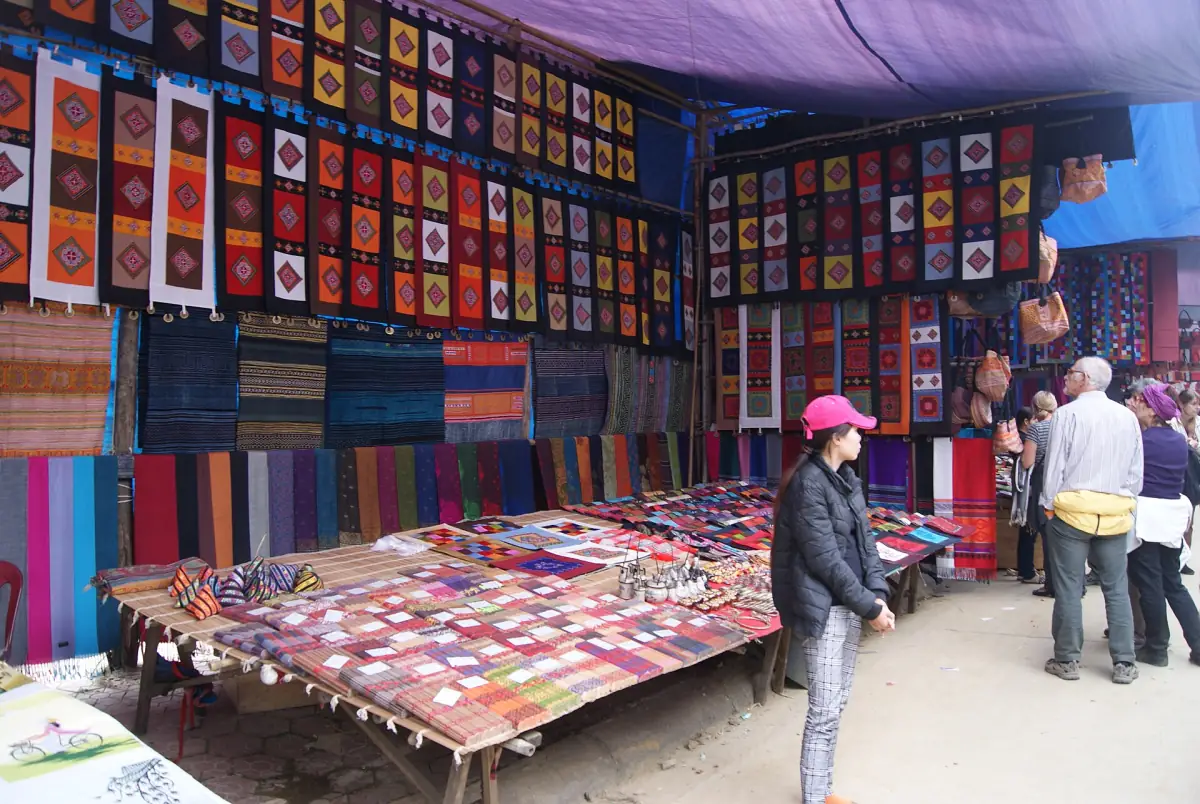
Bac Ha Sunday market day trip
An English-speaking guide, transfer, entry and water are included; lunch only with some options. Tips and insurance are extra.
Check availability →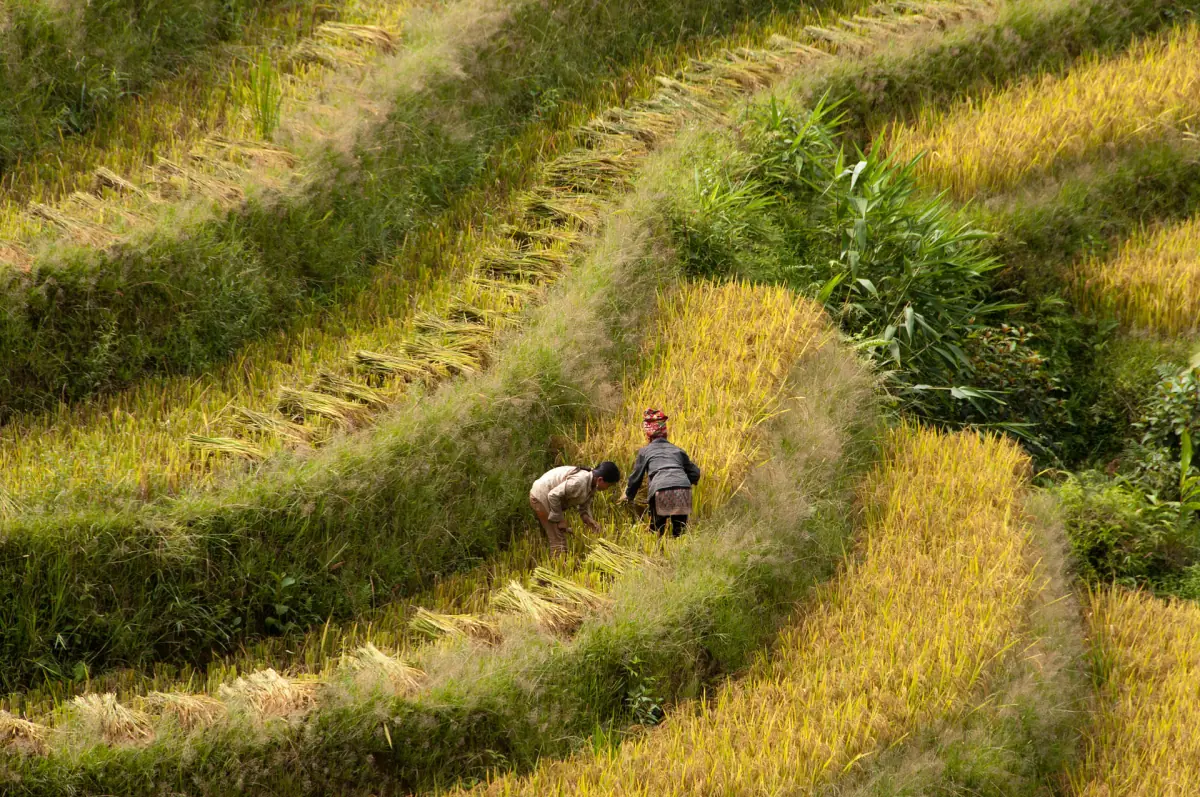
Terrace fields and village trek
An English-speaking local guide, entry fees and lunch are included. Hotel transfer and drinks are not.
Check availability →Sapa tours and day trips
Guided treks, Fansipan excursions and village visits around Sapa, with live prices and availability.
Plan your trip
One page for each part of the trip.
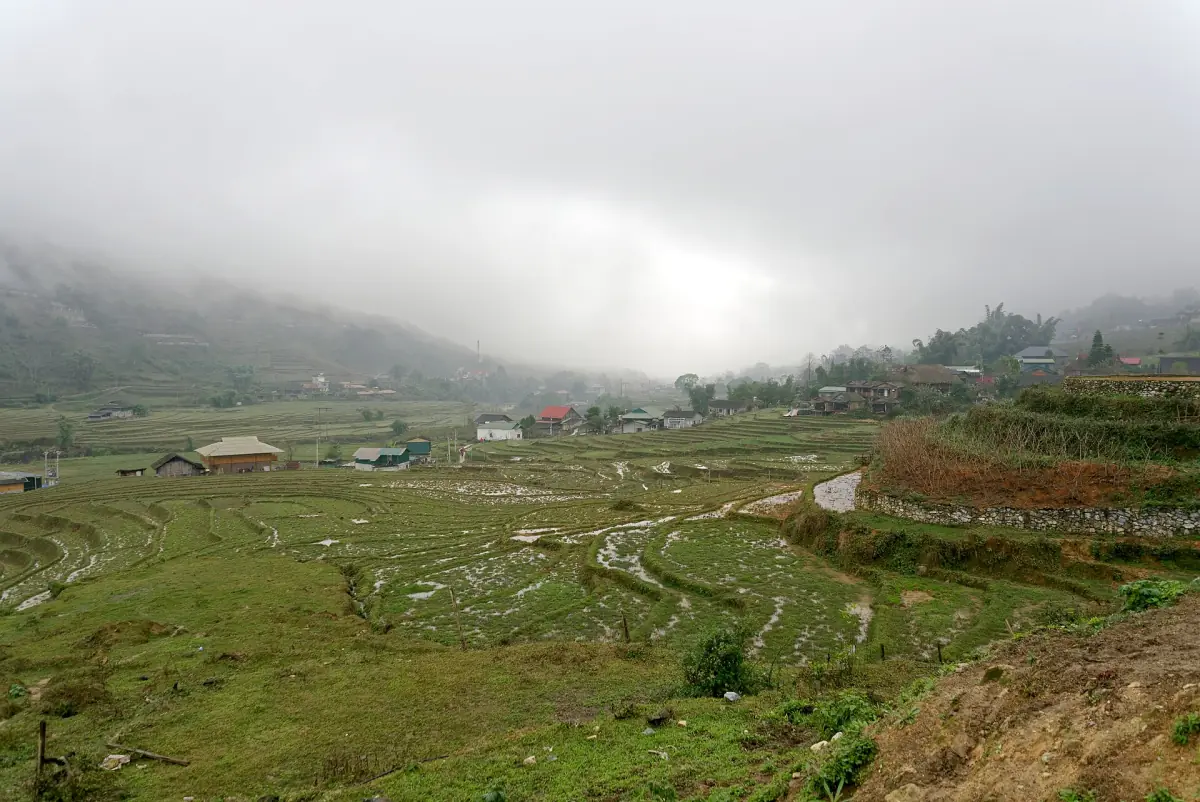
Trekking in Sapa
Routes, homestays, local guides and how to walk through villages respectfully.
Fansipan
Cable car tickets, the railway and funicular, and the summit hike.
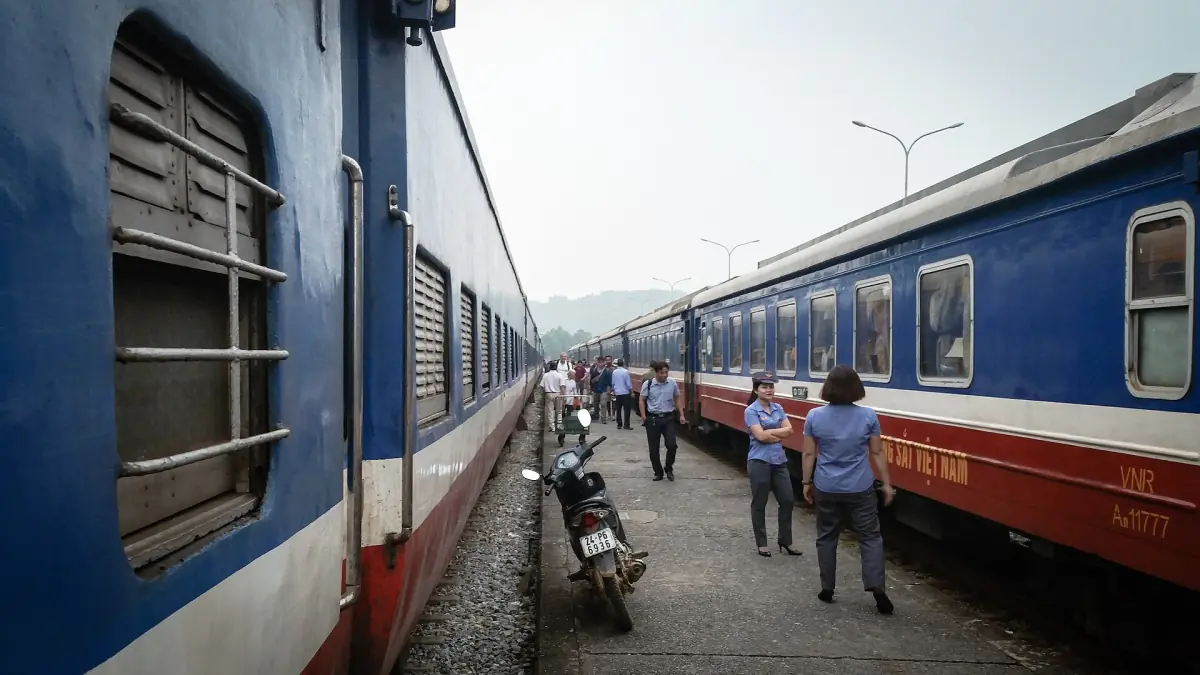
Hanoi to Sapa
Bus, van or night train to Lao Cai, with times and prices.
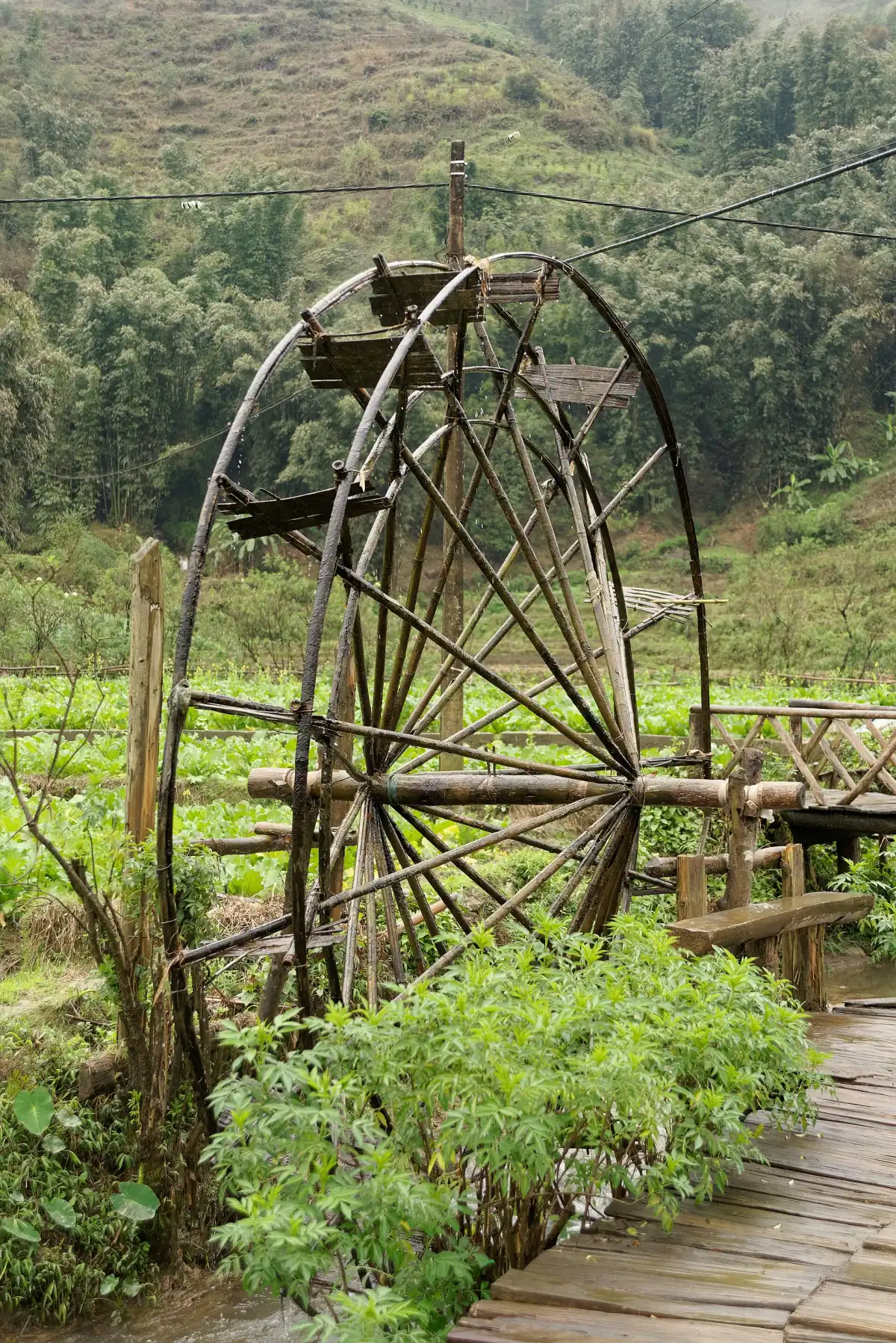
Cat Cat Village
The closest village walk to the town, with its water wheels and stream.
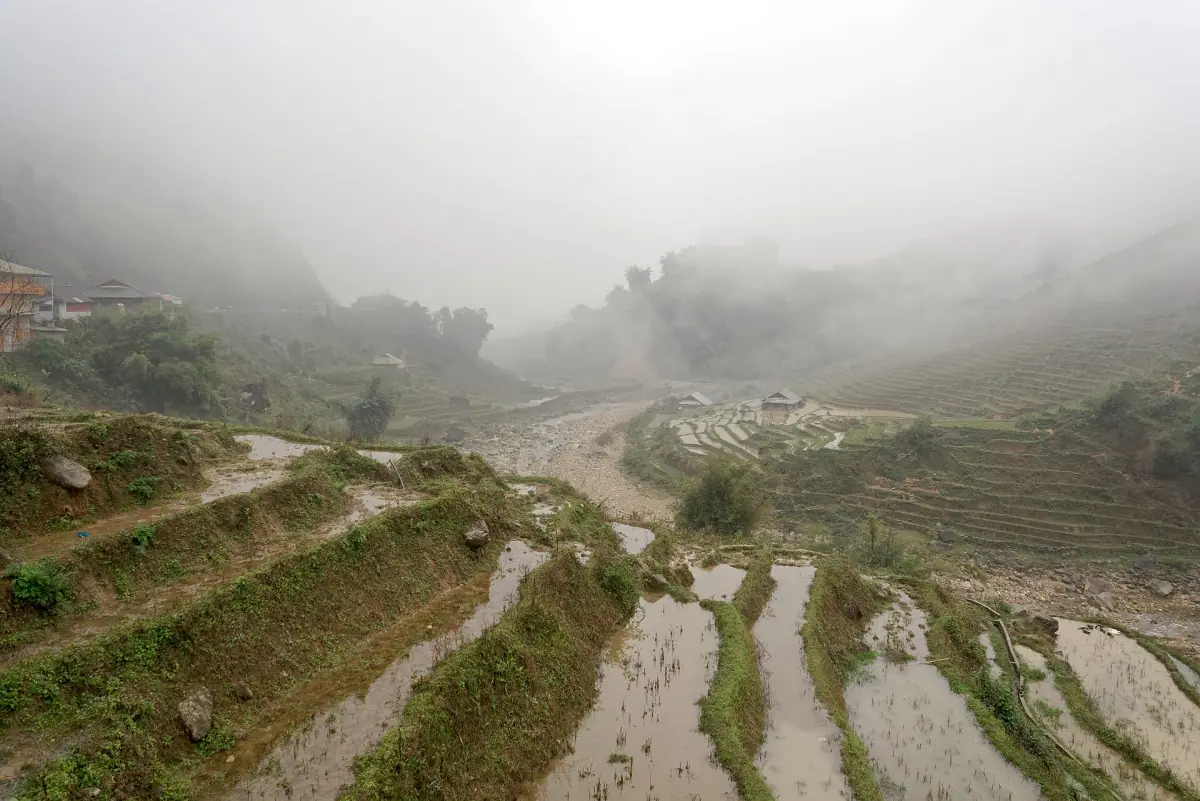
Muong Hoa Valley
Rice terraces, Lao Chai and Ta Van, and what changes with the seasons.
Bac Ha Sunday market
A long day trip to one of the region's best-known markets.
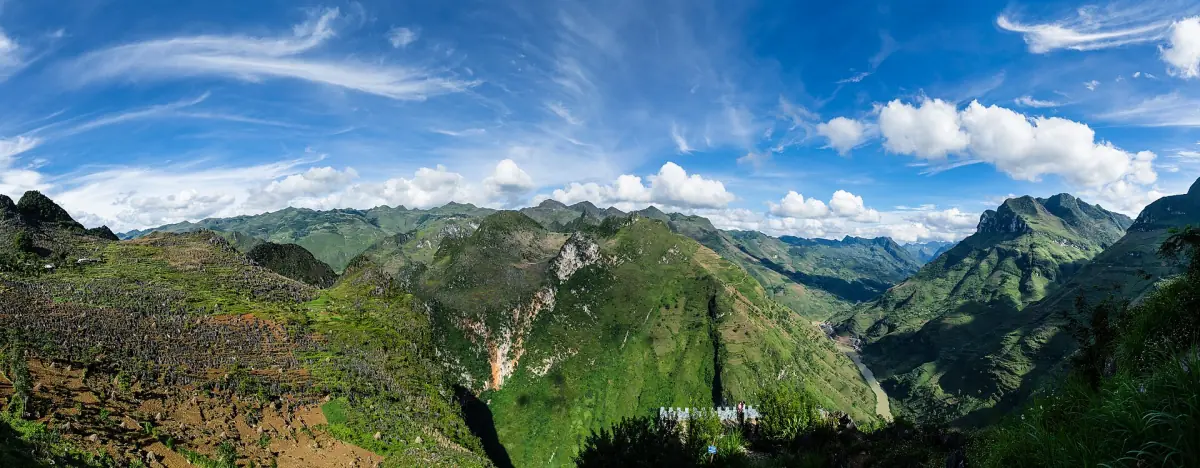
The Ha Giang Loop
A separate region to the east: route, easy riders, permits and safety.
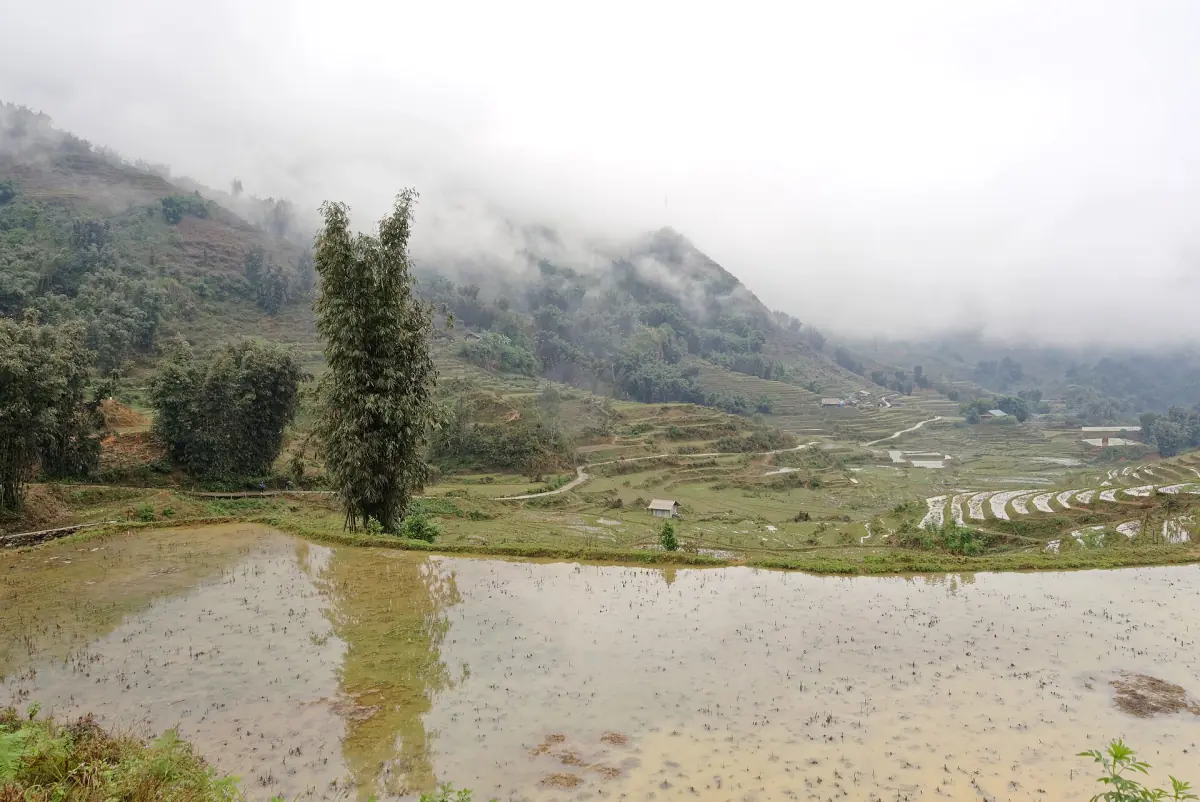
Weather and best time
Monthly temperatures and rainfall for the town, and what to pack.
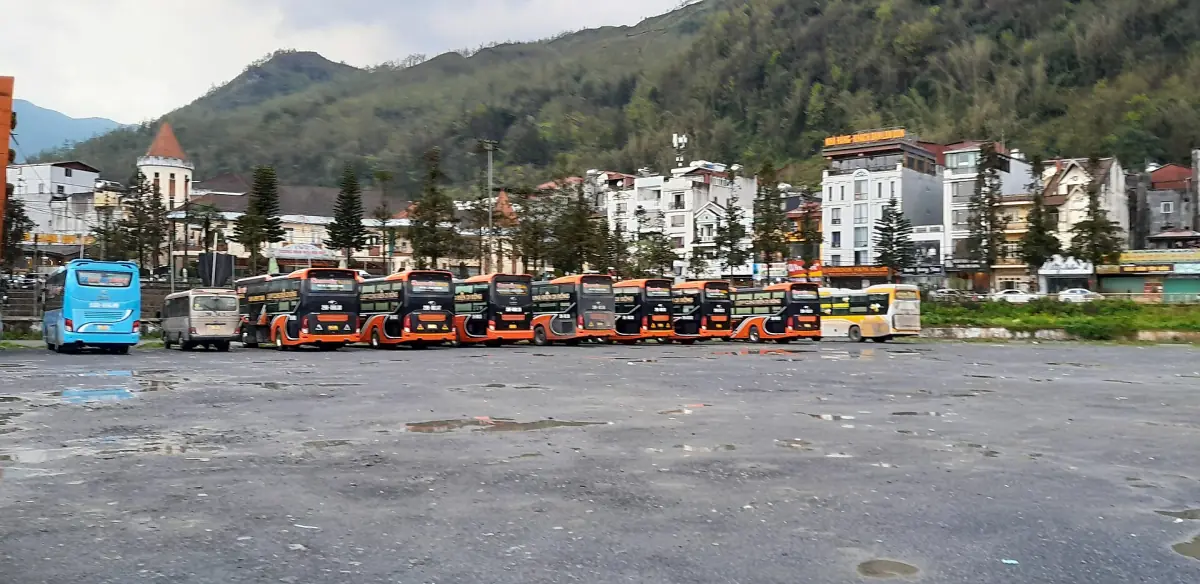
Where to stay
Town, valley or homestay: which base suits your plans.
Visiting respectfully
The villages around Sapa are home to Hmong, Dao, Giay and other communities, and the terraces are working farmland. Ask before you take a photo of a person and do not photograph children. Stay on paths that are clearly open to walkers and do not cross private fields. Homestays give families an income beside farming, so staying with a family is a good way to spend money locally. The trekking page has more detail.
Beyond the mountains
Many visitors combine Sapa with other parts of Vietnam. From Hanoi, Ha Long Bay is the classic limestone seascape of the north, and Cat Ba is a quieter island base. Further south, Hue has the imperial city and Hoi An has its lantern-lit old town.
Sapa: frequently asked questions
Is visitsapa.org an official site?
No. This is an independent travel guide. It has no link to the authorities, to Sun World or to any bus, train or tour operator.
Is there a train to Sapa?
No. The night train from Hanoi ends at Lao Cai. From there it is about 35 km (22 mi) on a mountain road to Sapa, by taxi, shuttle or pre-booked transfer.
How long does it take to get from Hanoi to Sapa?
Plan for about 6 hours by scheduled bus; private transfers are advertised at about 5 hours. The night train takes about 8 hours to Lao Cai, plus the road transfer. Landslides and traffic can add time.
How much does the Fansipan cable car cost?
The operator publishes VND 850,000 for an adult return ticket in 2026, VND 550,000 for a child from 1.00 m to under 1.40 m, and free entry below 1.00 m. Other railways and the funicular have separate tickets. Details are on the Fansipan page.
Do I need a guide to walk around Sapa?
Not for every village. Vietnam's national tourism site lists Cat Cat and Ta Phin as villages you can visit without a guide. Multi-day treks and the Fansipan hike are different, so book those with a local provider.
When is the Bac Ha market?
On Sundays. Allow about 3 hours each way by road from Sapa, so it is a long day. See the Bac Ha page.